Granite-Geospatial-Ocean
The world’s first open-source AI foundation model for monitoring the health of Earth’s oceans from satellite imagery
People:
Professor Chunbo Luo, Dr Remy Vandaele
Partners:
IBM Research Europe, STFC Hartree Centre, Plymouth Marine Laboratory, National Centre for Earth Observation
Media links:
CEI - LinkedIn Post
IBM - Research Blog
Use Granite-Geospatial-Ocean - Hugging FACE
Research paper:
A Sentinel-3 foundation model for ocean colour
Technical approaches:
Foundation models
Challenge areas:
Earth observation, remote sensing & geospatial intelligence, Climate & weather
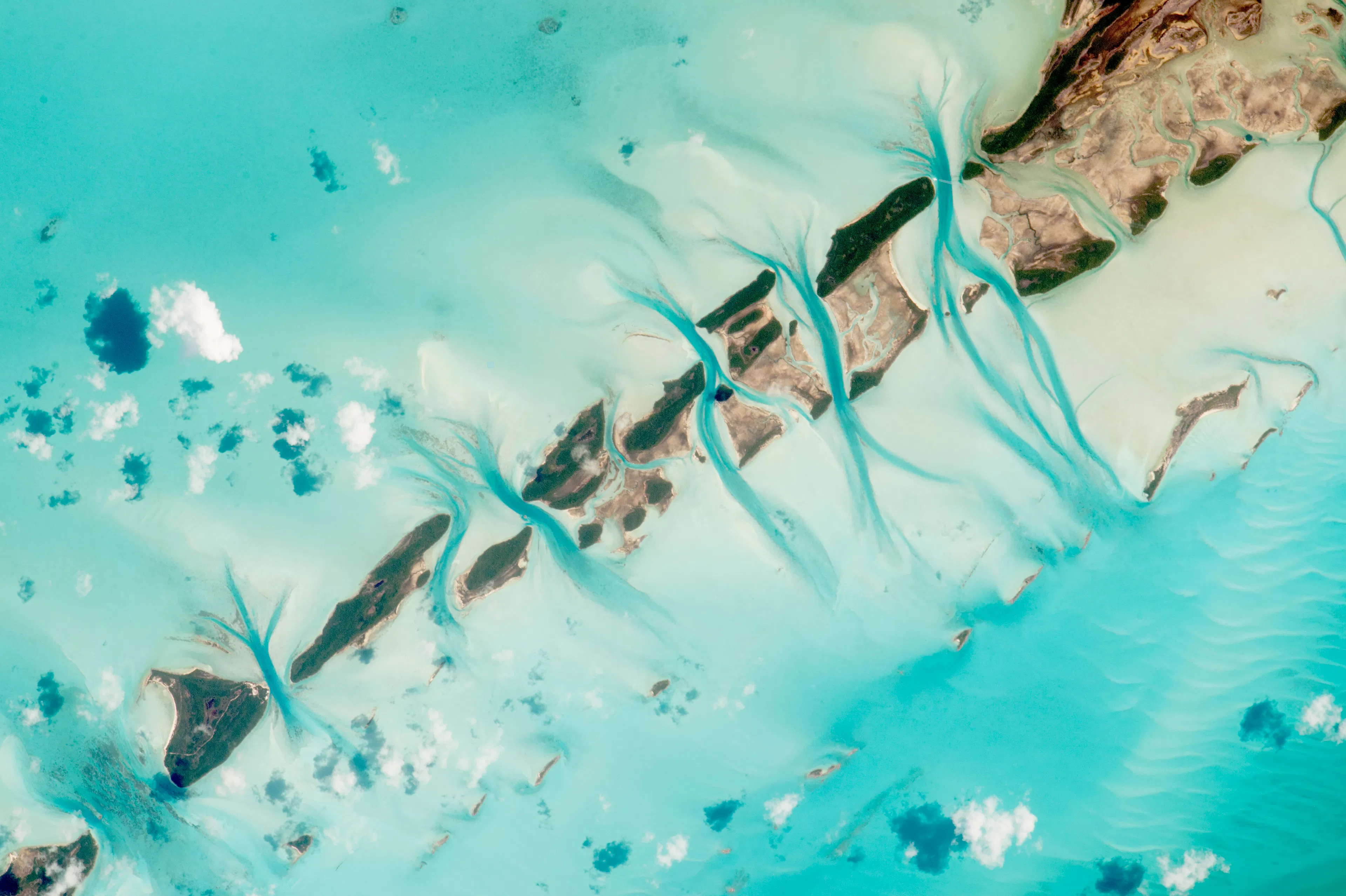
Developed through a partnership between the University of Exeter, IBM Research, Plymouth Marine Laboratory, and STFC Hartree Centre, the model analyses data from the European Space Agency's Copernicus Sentinel-3 satellite to generate global maps of phytoplankton distribution, vital microorganisms responsible for producing half the world's oxygen.
This innovation dramatically improves the ability of scientists and policymakers to monitor marine ecosystem health and quantify how much carbon the oceans absorb — a critical unknown in making climate change predictions.
Utilising IBM's Prithvi architecture, pretraining with Sentinel-3 OLCI and Sea-Surface Temperature (SST) band data was used to develop a geospatial foundation model, Granite-Geospatial-Ocean, specialised for marine applications, which was then fine-tuned and model performance evaluated on two distinct downstream tasks: algae bloom detection and phytoplankton primary production estimation.
Both outperformed classical machine-learning baselines in tests across the Atlantic and the coastal waters of the Iberian Peninsula.
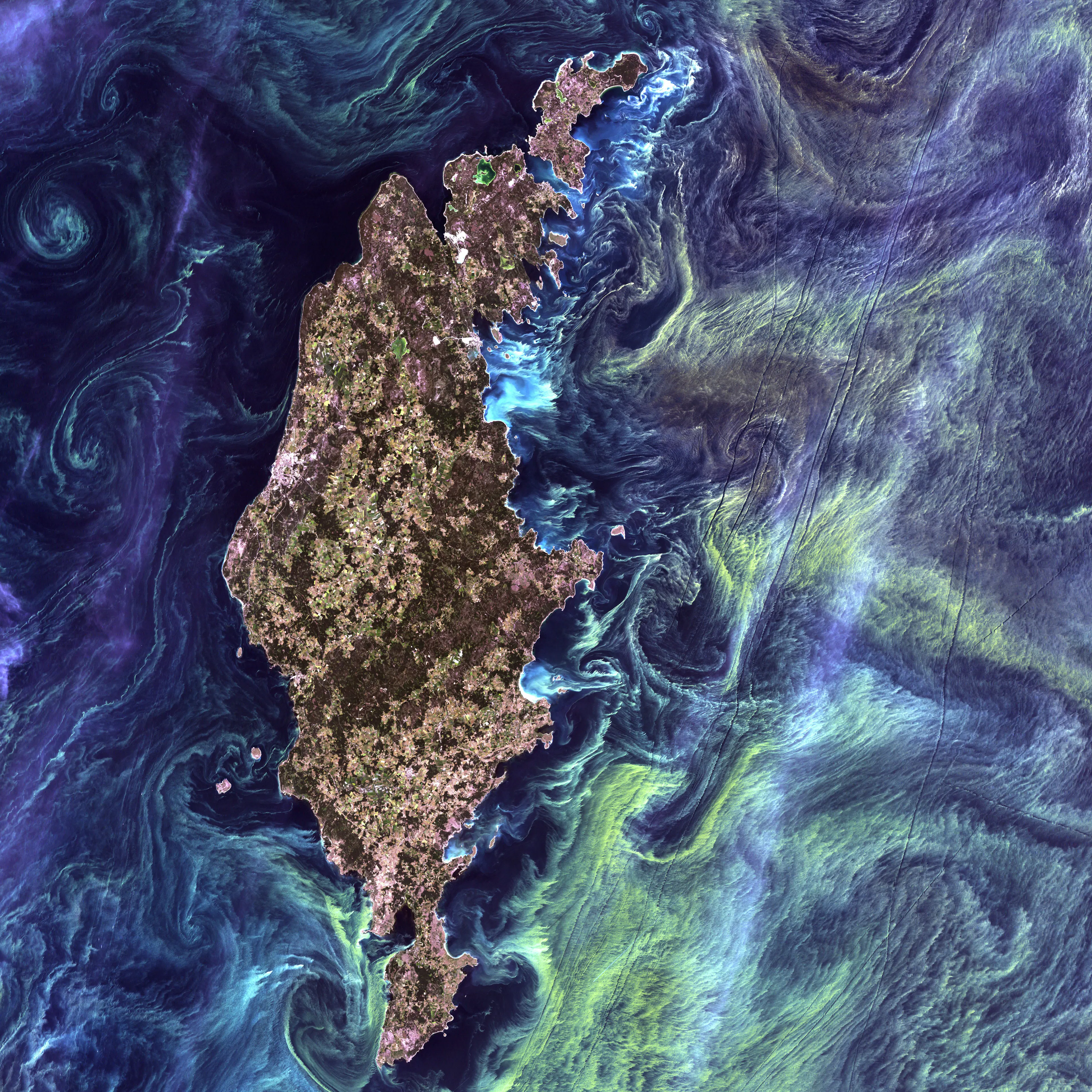
Through provision of colour-coded maps of ocean productivity and phytoplankton biomass, Granite-Geospatial-Ocean offers insights into carbon cycling, climate regulation, and marine biodiversity without the need for extensive field campaigns.
The model and all applications are freely available on Hugging Face under an open-source licence. At just 50 million parameters, it is lightweight enough to be fine-tuned on modest computing hardware, making it readily adaptable to new ocean monitoring tasks by researchers worldwide.
Find out more about the Granite-Geospatial-Ocean
Related activity